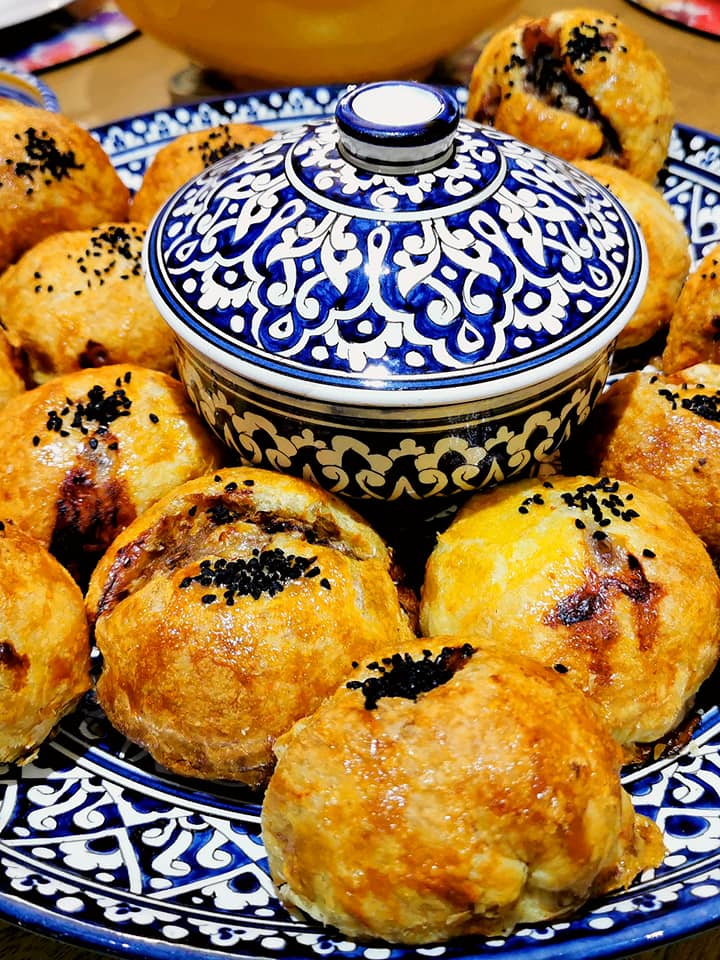
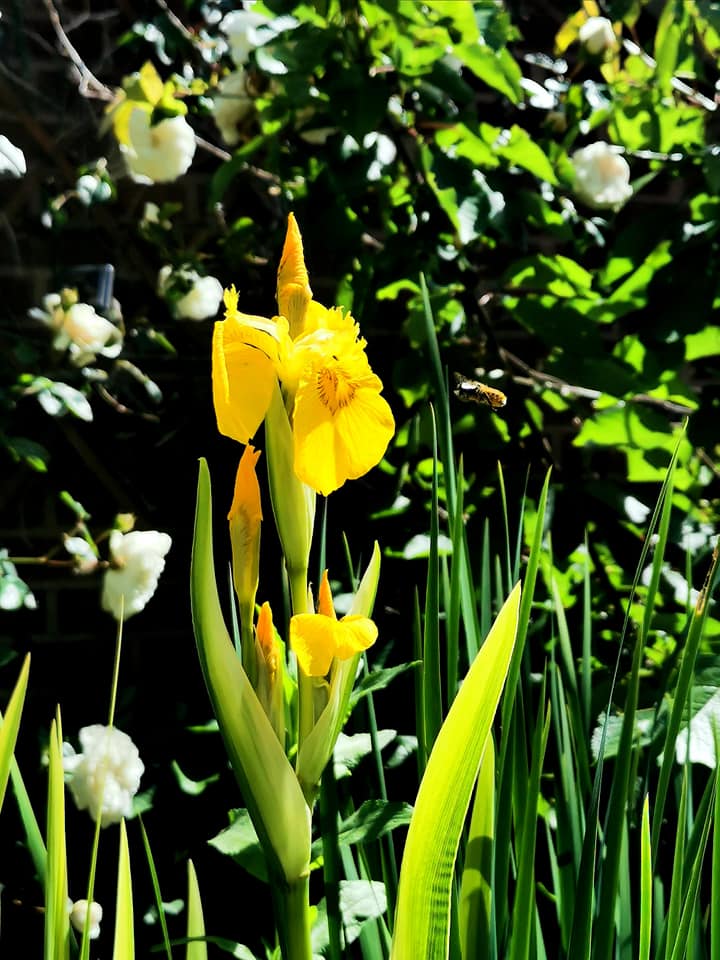
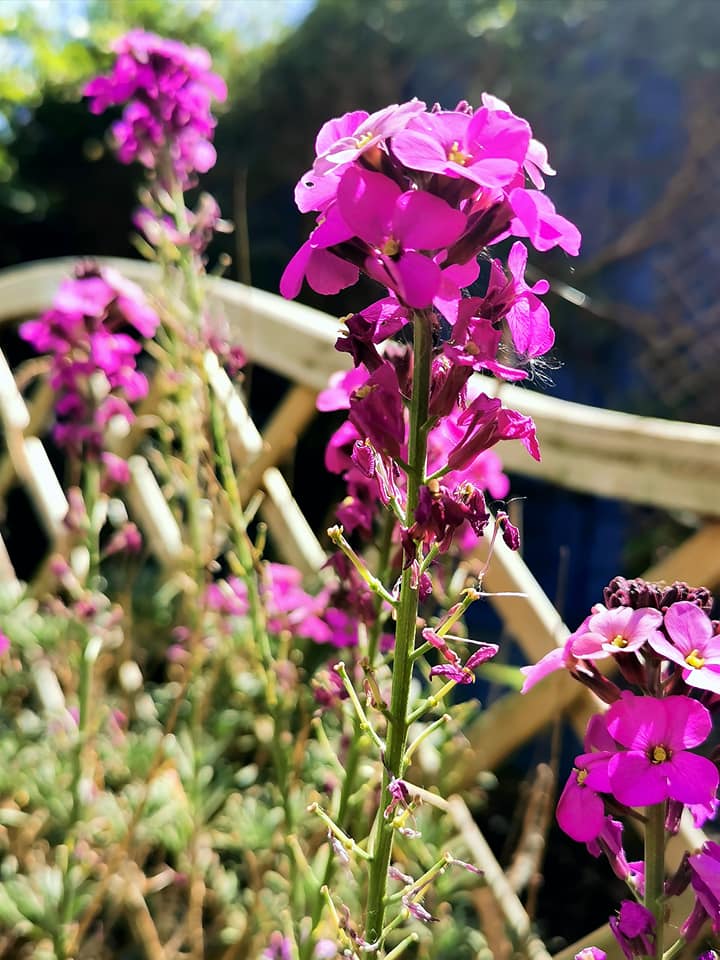
On an extended Sunday which was actually a Monday, as the yellow flowers basked in the sun and the climbing white rose came tumbling down like a waterfall over the face of our garden Buddha, I baked some Uzbek samsa.
In times bent on celebrating ‘difference’, samsa is a lone story of ‘similarities’ in a not-so-dissimilar world. Conceived in Persia more than a 1000 years ago as ‘sanbosag’, it reached Uzbekistan as Silk Route cargo. There it had many siblings, some of whom travelled east to India (samosa/singara) and then even further east to Burma (samusas). One cousin even took the boat to the Far East, to Indonesia and another went westward to Somalia (sambuus). In the 13th century, Amir Khusrow sang its praises as did the Moroccan traveller Ibn Battuta who was served samosas in the court of Tughlaq.
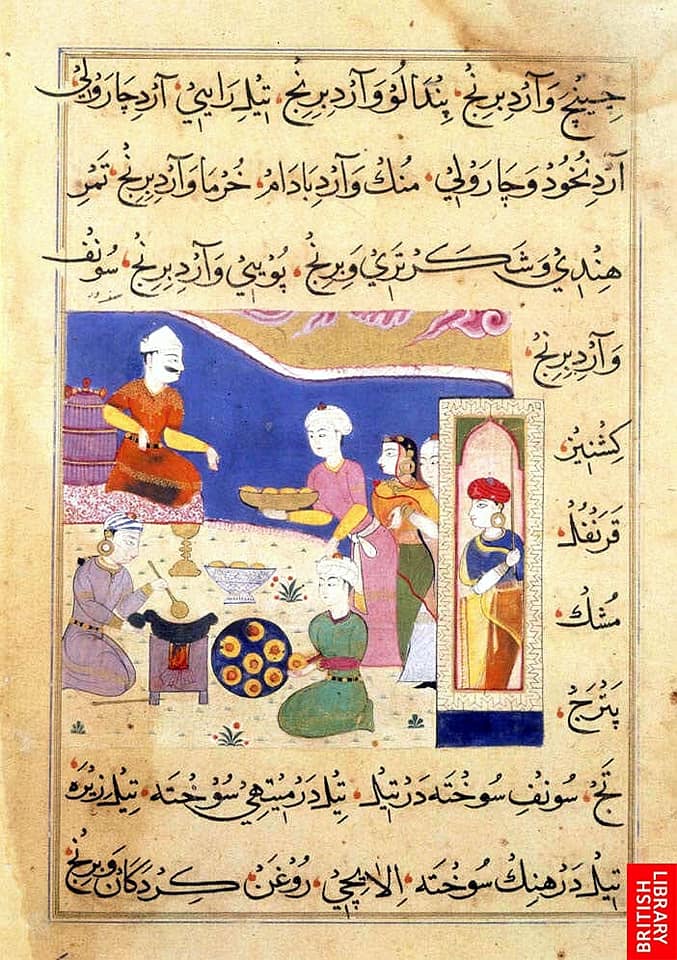
An old Deccani cookbook now in the British Library, shows Ghiyath al-Din, the Sultan of Mandu (present-day Madhya Pradesh) seated in his garden and being offered a dish of samosas. A cook in the foreground makes the samosas while another fries it over a stove. The cookbook Nimmatnama-i-Nasiruddin-Shahi is from 1495.
These days when the sun comes out on Sundays which are actually Mondays, samsa/samosas are often made in Wiltshire. We stick to the old Uzbek grandma’s recipe – mince meat, a pinch of salt, a hint of crushed black pepper and bucket loads of zira (cumin). If you are passing, do stop by. We’ll put the kettle on and talk of lone tales of familiarities in an ever-increasing and unnecessarily unfamiliar world.
Wiltshire, May 2019
 Swagata Ghosh